1960s office buildings should have been designed to carry a decent load of heavy file cabinets and other American-made furniture.
To make up an example, a 6000 sq ft office suite that held 20 workers is converted to ten 550 sq ft apartments plus a corridor.
Roughly the same number of people.
Lose 3 file cabinets, and a heavy desk per person. for about 1500 lbs per person.
Gain about 2000 pounds of appliances and 500 pounds of fixtures per unit and you are still ahead. Probably enough to offset the extra water tank on the roof.
Now add the extra weight on the existing structure (and its foundations) from adding 16 more stories on top of that 1960s structure. Math is not looking so good anymore. Did anyone do any math – anyone, like the city building department which approved the plan?
But hey! Another triumph for DEI … or do I mean DIE?
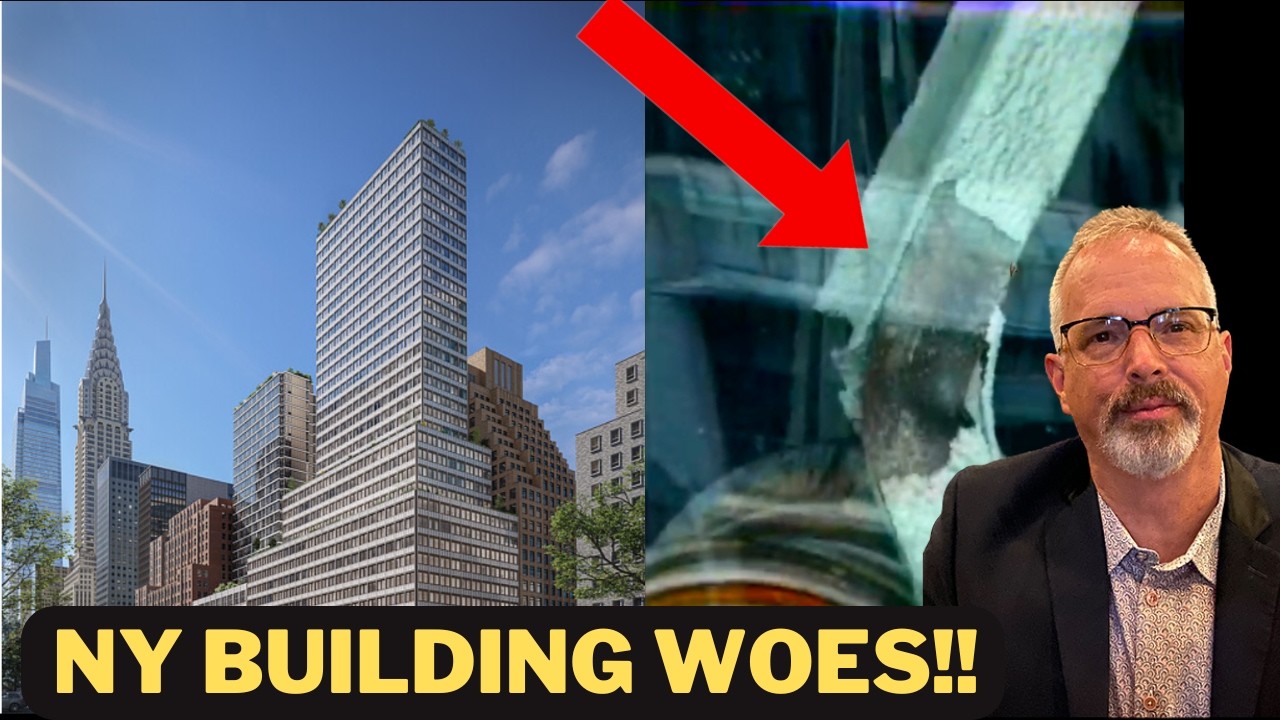
As usual, I have to color myself confused. Pfizer once had a big office in New York – back when it was New York, New York, the city that never slept. Then Pfizer moved away, taking lots of jobs and leaving a vacant building. The plan was to turn the old office into apartments. What leaves me confused is – where were the renters going to work? Not at Pfizer, obviously. Were they all going to be Mamdani DIE Outreach Coordinators? Will MamdaniLand face financial collapse, even if the old Pfizer building manages to remain standing?
If I may add one more thought – long ago, I recall reading something written by an English visitor to New York City circa 1900. He was absolutely astonished – New Yorkers were knocking down perfectly good buildings to put up even bigger better ones.
When one says “apartments” in NYC, does that necessarily imply rental units, or does is maybe mean co-ops or condos? Who in their right mind (although that may well not include the left-minded) would build rental units in a city where the chief executive’s wish list is headed by “rent control on every apartment”?
Construction was being done by a single-purpose entity, however:
235 GC LLC — which, as the name suggests (“235” + “GC”), appears to be a single-purpose entity created just to serve as general contractor for this project, a common structure in NYC development that limits liability to the individual job.
It is as UGLY as it is “complex”! Is the (former) Pfizer building’ appearance synecdoche, encoding the broader effects of the entire pharma industry on society at large? It’s a bit unfair of me to suggest this in a time when “capitalism” is under serious attack. The problem is actually much more complex. IMO. As I see it, the problem lies in the excesses of today’s business practitioners. Any economic system’s workability depends upon the self-discipline of those operating business entities. Making a profit is manifestly a good thing. Manipulating every imaginable transaction (and creating myriads of new and unnecessary ones) so as to extract every last cent from every customer every time - is a bug and a prescription for implementation of “socialism” to “correct” the excesses. Of course, the excesses and corruption built into socialism are features not bugs of that benighted system.
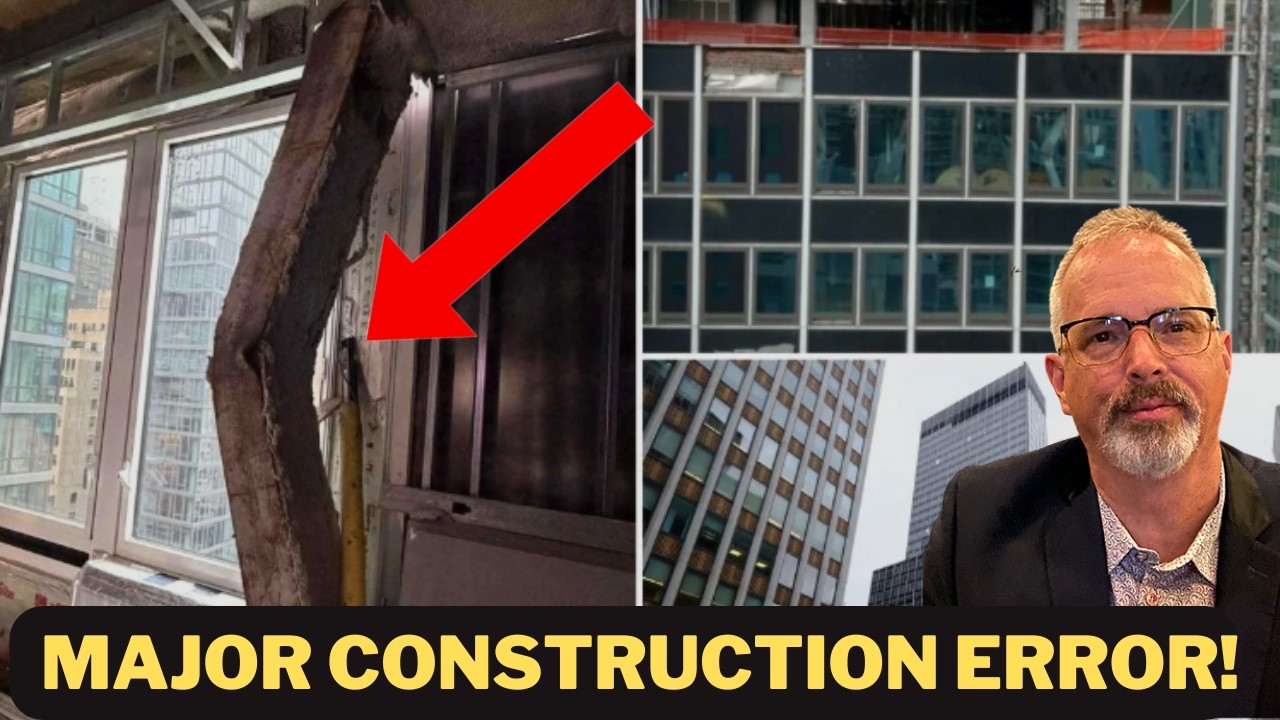
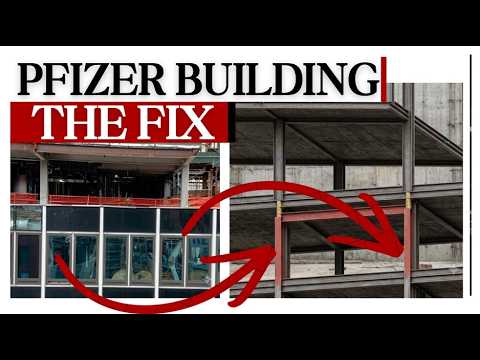
That channel operator seems to be unaware that the box beam reinforcements aren’t a “recommended fix” from the engineering company, but missing requirements left out by the contractor.