Weekly Space Report: Leaky Russian ISS Module Retirement

Highlights:

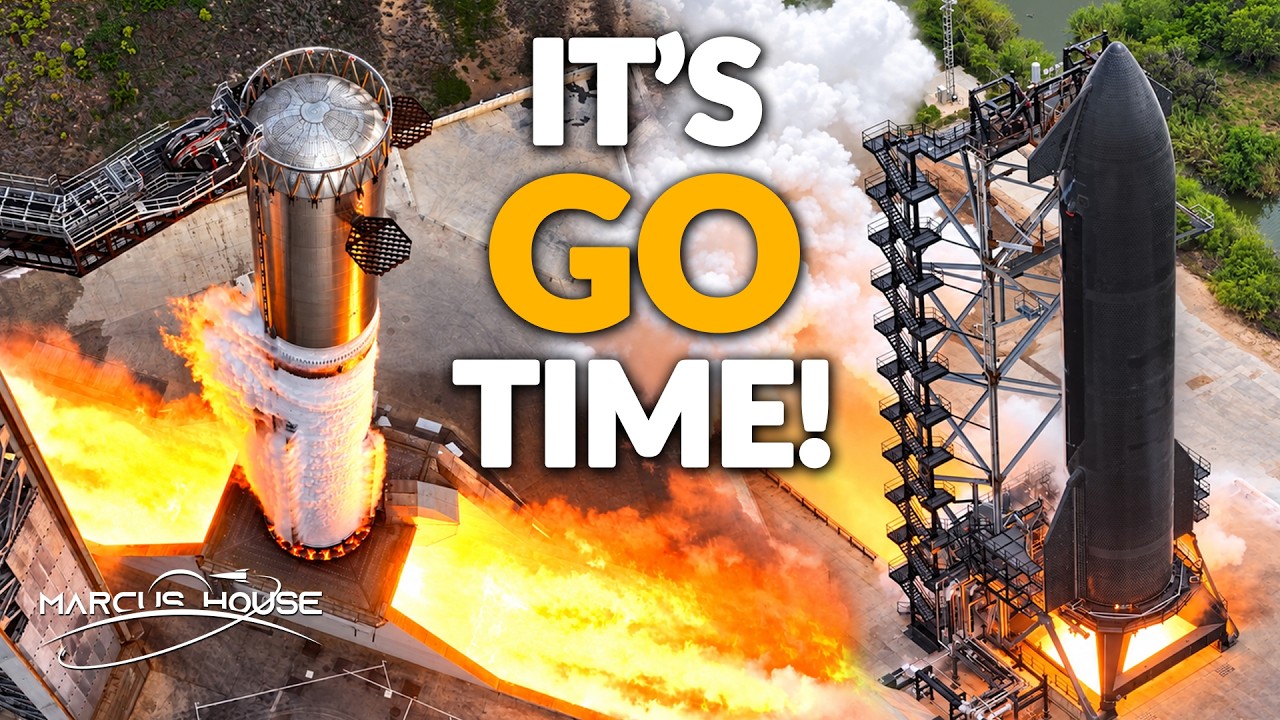
  • Booster 22 static fire on Pad 2. Full duration. Tweaked Raptor 3 engines.

  • Flight 15 no earlier than Nov 12.

  • Ship 42 with engines rolled to Massey’s. Accompanied by unidentified barrel section. Single engine and six engine static fires, full duration. Barrel section with some tiles parked close to the test stand.

  • Ship 43 to Pad 2 for catch operations testing. (Tentatively destined for Florida launch.)

  • Booster 23 engine install started.

  • Falcon 9: Starlink 15-16, Starlink 15-18

  • ISS air leak in Russian section worsens–to be permanently closed and isolated. Suspected corrosion as the root cause. Complicates station reboost.

  • ISS space walks for solar array installation.

  • Artemis Acceleration conference additional follow-ups. Artemis III & Blue Origin Blue Moon Mk2 and SpaceX HLS multiple rendezvous.

  • Blue Origin construction activities update.

  • SLS Hydrogen leaks permanent fix with redesigned quick disconnect. NASA work in-house.

  • Artemis IV Blue Moon lunar orbit plans. No refueling–additional transport stages will be stacked.

  • Numerous developments to handle low lunar orbits.

3 Likes

One has to wonder – What is the point of the ISS? Apart from providing work for bureaucrats.

All the lessons about how to manage extended duration human spaceflights have surely been learned by now. The science projects today can better be handled by autonomous satellites. There is no longer a need for a destination for the forgotten Space Shuttle. Apart from bureaucratic inertia, why keep the ISS in orbit?

It is not unusual for a basic research plan to be altered on the fly when partial results are in. As true for zero-g as for any other topic. Human staff facilitates this sort of thing without needing any launch/landing cycle.

Autonomous equipment is great for applied research, where basic ideas are being fine-tuned. Not so great for basic research.

I will also be delighted when commercial space habitats displace the ISS.

1 Like

That is certainly the case – although when an Earth-bound basic research program points to an unexpected turn, it often (usually?) involves bringing in additional or different equipment, trying different reagents, etc. Easy on Earth, not so easy off Earth.

We are in agreement that the situation has evolved to the point where a tax-payer funded, bureaucrat-run ISS no longer makes much sense. If there is a need for a space station, let industries invest in it – and earn the benefits from it.

1 Like