Four legs, with hydraulics, backup redundancies, etc – that has to add mass, which takes away directly from putting paying mass into orbit.
Maybe a leg landing will turn out to be an unnecessary burden? Remember Elon Musk’s guideline about rocket design – The best part is the part that’s not there.
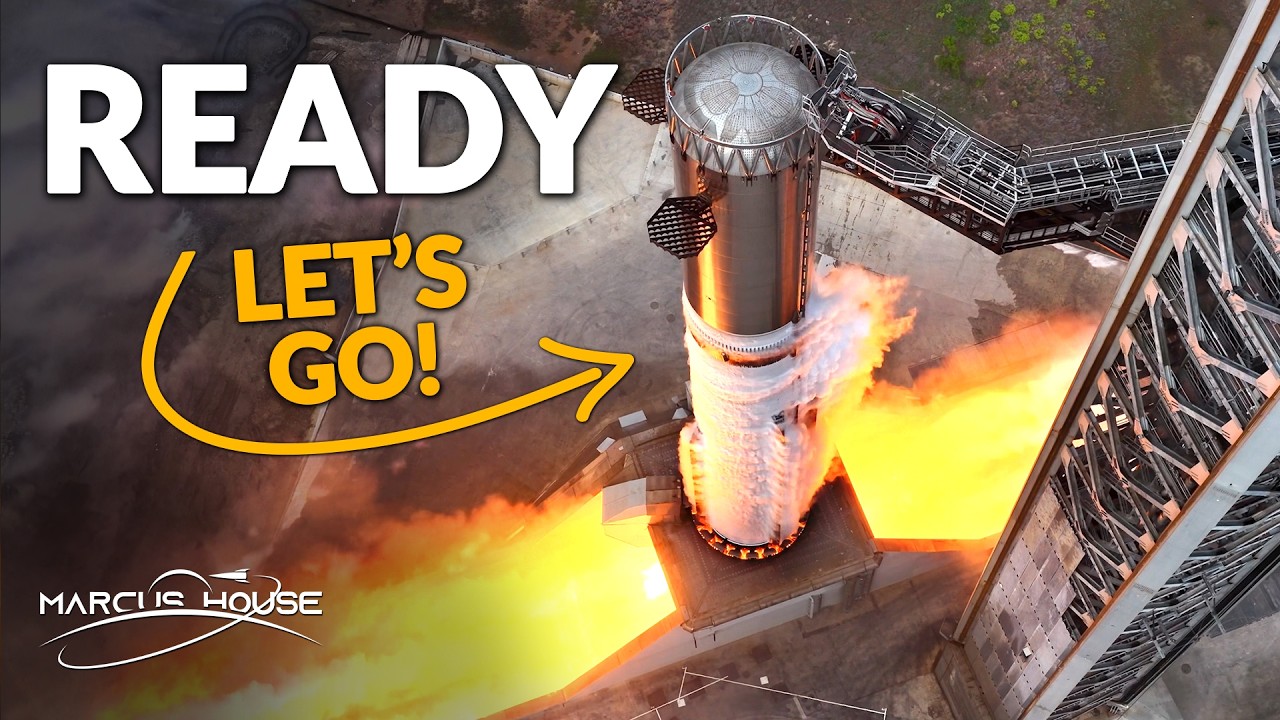
The upcoming flight will aim to complete similar objectives targeted on the previous flight test, which debuted the Starship and Super Heavy V3 vehicles, while also carrying next-generation Starlink V3 satellites for the first time.
SpaceX just announced that they will be deploying V3 Starlink satellites for the first time during their 13th Starship test flight next week! Six of the satellites have been modified with a suite of cameras to scan Starship’s heat shield and transmit imagery.
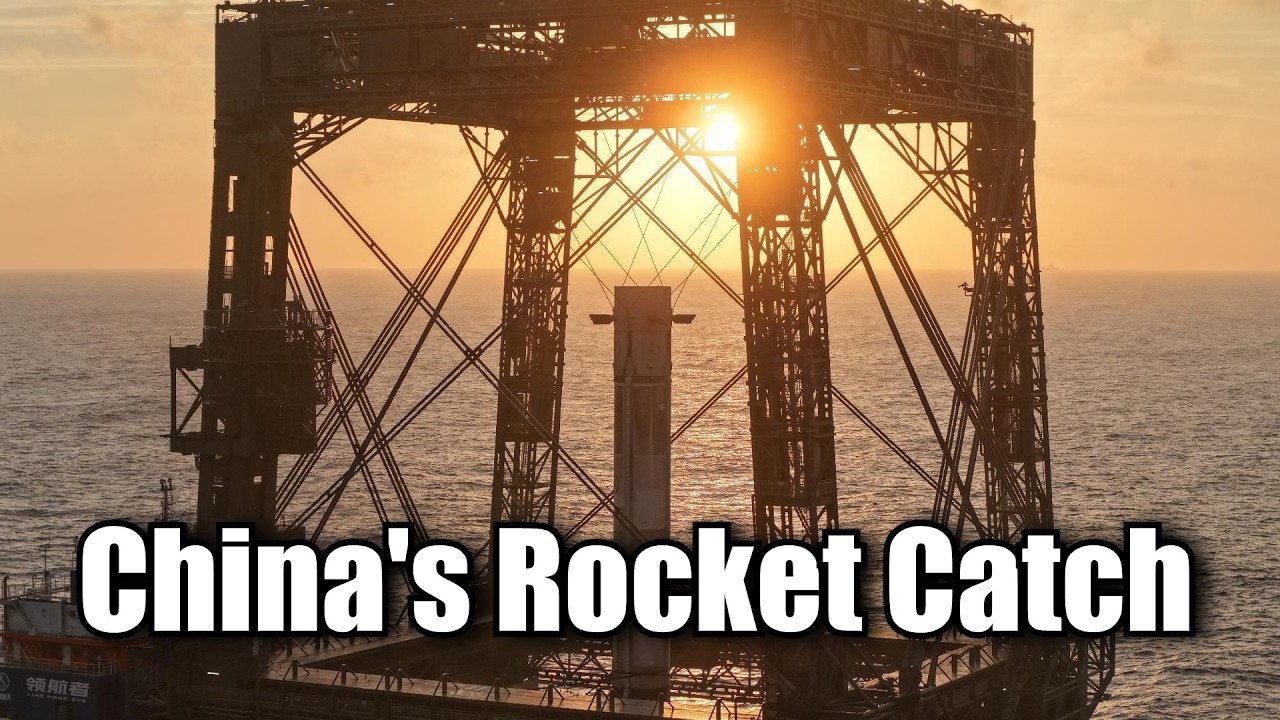
Scott Manley’s take on the Long March booster recovery provides some closer views of the catching mechanics.
Scott points out that the cable catching procedure not only saves the weight of landing legs and their appurtenances, it also provides a softer landing for the booster which means less stress and allows it to be lighter (i.e. larger payload). All good stuff.
However, this catch mechanism also requires a large expensive structure on the ocean. Trade-offs – the heart of engineering.
Scott Manley’s guess is that the dark smoke from the top of the booster as it came in for the catch was a fire involving hydraulic fluid.